How to Get Rid of Trapped Gas Now: Instant Relief Positions, Natural Remedies, Heat, Movement, and Real Gut Help
How to Get Rid of Trapped Gas Now
Trapped gas has a special talent for making a grown adult question every decision they have made since breakfast. One minute you are living your life. The next minute your abdomen feels like someone inflated a parade balloon behind your ribs and forgot to ask permission.
Gas pain can be sharp, crampy, tight, stabbing, heavy, or just weird enough to make you Google something alarming at 11:43 p.m. like a raccoon with Wi-Fi. It can sit under the ribs. It can press into the lower belly. It can travel into the back. It can make jeans feel like a medieval device. And yes, it can be embarrassingly dramatic for something that is technically air trying to leave a tube.
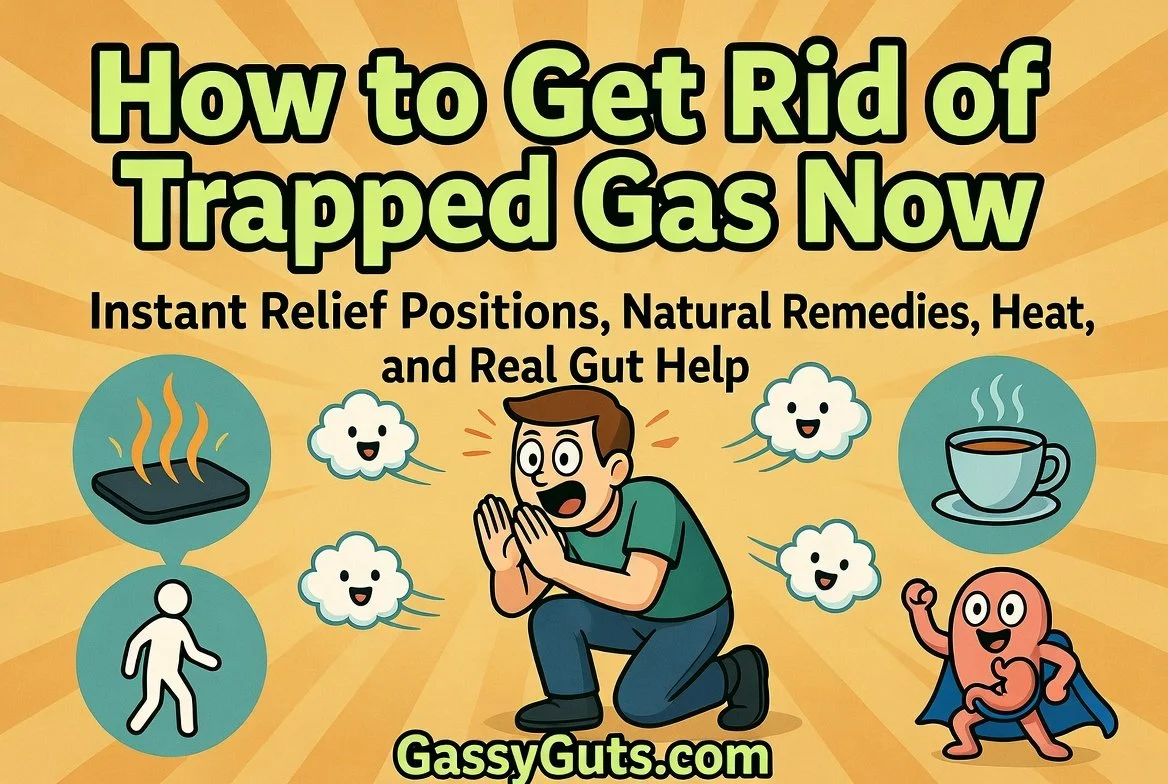
The good news is that trapped gas often responds to simple, immediate steps. Body positions can help move gas through the intestines. Gentle walking can stimulate motility. Belly massage can nudge gas along the natural path of the colon. Heat can relax tight abdominal muscles. Warm drinks like peppermint, ginger, or fennel tea may calm spasms for some people. Slow breathing can quiet the gut-brain alarm system that makes discomfort feel louder than it already is.
The more annoying news, because the body enjoys paperwork, is that repeated trapped gas, daily bloating, or gas pain that keeps hijacking your life usually points to a pattern. Maybe you are swallowing air. Maybe constipation is backing things up. Maybe your gut is sensitive from IBS. Maybe certain foods ferment harder in your system. Maybe stress turns your abdomen into a tiny percussion section. Maybe the issue is meal size, speed, carbonated drinks, gum, sugar alcohols, or a diet plan that removed joy and somehow kept the bloating.
This guide gives you the now plan first, because nobody wants a lecture while their stomach is shaped like a weather event. Then we will talk about why gas gets trapped, when to get medical care, and how GassyGuts connects instant relief with a bigger digestive health strategy. For a broader reset, start with natural gut relief for IBS, IBD, and bloating. For now, let us get the bubble moving before it starts charging rent.
First, What Is Trapped Gas?
Gas in the digestive tract is normal. That sentence may lack glamour, but it has truth on its side. The NIDDK explains that gas enters the digestive tract when we swallow air and when bacteria in the large intestine break down certain undigested carbohydrates. Gas usually leaves by burping or passing gas. Civilization then pretends this never happened, despite everyone participating.
The problem begins when gas collects, moves slowly, or stretches a sensitive area of the gut. The Mayo Clinic notes that gas pain can happen when gas is trapped or moving poorly through the digestive system. That pressure can trigger bloating, distention, cramps, belching, abdominal pain, and the deeply unhelpful feeling that your intestines are hosting a committee meeting.
For people with IBS, trapped gas may feel even worse. The issue may involve gas volume, but it may also involve sensitivity. A normal amount of gas can feel intense when the gut-brain signaling system has the volume turned up. This is one reason IBS gas relief needs a smarter approach than simply telling people to stop eating beans until the sun burns out.
The goal in the moment is simple. Help gas move. Relax the abdominal wall. Reduce swallowing more air. Calm the nervous system. Avoid adding extra pressure. Then, after the crisis settles, figure out the pattern so tomorrow does not become the sequel nobody requested.
The 10-Minute Trapped Gas Relief Plan
When gas pain hits hard, do this in order. Think of it as a digestive escape route, minus the melodrama and emergency violin music.
Step one: change position. Step two: walk gently. Step three: use heat. Step four: massage the belly. Step five: sip something warm. Step six: breathe slowly enough that your nervous system receives the memo that lunch was not a bear attack.
This plan is safe for many everyday gas episodes, but severe pain, chest pain, vomiting, fever, blood in stool, fainting, severe constipation, persistent diarrhea, unexplained weight loss, or symptoms that feel unusual for you deserve medical attention. Gas is common. Serious symptoms still get to be serious. We are rebellious here, not reckless.
Position 1 - Knees-to-Chest
Lie on your back and bring both knees toward your chest. Wrap your hands around your shins or behind your thighs. Gently pull the knees closer without forcing anything. Hold for 30 to 60 seconds. Breathe into your lower belly. Release. Repeat a few times.
This position gently compresses the abdomen and can help gas move through the lower digestive tract. It is simple, undignified, and often useful, which makes it a rare win in the digestive universe. If both knees feel like too much, bring one knee in at a time. Left knee, right knee, then both. Your gut does not need choreography. It needs cooperation.
Try it when you feel lower abdominal gas pressure, bloating after meals, IBS gas pain, or that miserable sensation of gas stuck low in the belly. Skip or modify it if you are pregnant, recovering from abdominal surgery, dealing with severe pain, or have a back or hip issue that makes the position uncomfortable.
Position 2 - Child’s Pose
Child’s pose can help relax the belly, hips, and pelvic floor. Kneel on the floor, bring your big toes together, widen your knees, and fold forward with your arms stretched out or tucked beside your body. Let your abdomen soften between your thighs. Stay there for one to three minutes and breathe slowly.
The magic here is not magic, thankfully, because magic has poor peer review. Child’s pose gives the abdomen space, encourages relaxation, and may help gas shift. It also tells your nervous system to lower the internal alarm volume. That matters because stress can tighten the abdominal wall, alter gut motility, and make gas discomfort feel even more intense.
For people with IBS, this position pairs well with slow exhalations. Try inhaling for four seconds and exhaling for six to eight seconds. Long exhalations can help the body move toward a calmer parasympathetic state. GassyGuts already talks about gut relaxation and body-based strategies in stress reduction techniques for IBS and IBD, because the gut-brain connection loves showing up uninvited.
Position 3 - Left-Side Lying
Lie on your left side with your knees slightly bent. Place a pillow between your knees if that feels better. Rest there for five to ten minutes while breathing slowly. Some people find that left-side lying helps gas move through the colon more comfortably, especially when bloating feels lower or when constipation is part of the pattern.
This is also a good option at night when you are too tired to perform living-room yoga while your abdomen composes angry jazz. Left-side lying is low effort, which is exactly the right energy when trapped gas has already stolen your patience.
If reflux is part of your life, left-side lying may also feel more comfortable than lying flat on your back. Everyone’s gut has its own little personality disorder, so track what helps your pattern instead of treating one position like sacred law.
Position 4 - Supine Twist
Lie on your back. Bring both knees toward your chest, then let them fall gently to one side while keeping your shoulders relaxed. Hold for 30 to 60 seconds, then switch sides. Keep the twist mild. This is gas relief, not an audition for a circus scholarship.
A gentle twist may help mobilize gas and relax the torso. It can be especially helpful when gas feels stuck in pockets or when your abdomen feels tight after a meal. Keep breathing. Avoid forcing the knees down. Your intestines have already filed a complaint.
Walk for 5 to 15 Minutes
Walking is one of the most underrated tools for trapped gas relief. It helps stimulate gut motility, changes abdominal pressure, encourages gas to move, and gives you something to do besides lying still and bargaining with your colon.
The walk does not need to be intense. In fact, sprinting around the block while bloated sounds like punishment designed by a committee of enemies. Keep it gentle. Walk around the house, down the hallway, outside for fresh air, or around your kitchen like a haunted Roomba.
This helps especially after meals, during mild constipation, or when gas feels trapped because everything is moving slowly. Mayo Clinic lists lifestyle changes like eating more slowly and reducing swallowed air as part of gas management, and movement fits the same practical logic. Help the digestive tract do the thing it was allegedly designed to do.
Use a Heating Pad or Hot Water Bottle
Heat can be wonderfully boring, which is exactly why it works for many people. Place a heating pad or hot water bottle over the painful area for 15 to 20 minutes. Keep a layer of clothing or a towel between the heat source and your skin. Warmth may relax abdominal muscles, ease cramping, and help the body stop guarding around the discomfort.
Heat is especially useful when gas pain feels crampy, tight, or spasmodic. It may also help if stress has turned your belly into a clenched fist with organs. Pair it with left-side lying or knees-to-chest for a simple one-two punch: warmth plus position change.
Avoid heat over numb skin, irritated skin, or areas with reduced sensation. Avoid falling asleep with an electric heating pad unless the device is specifically designed for that. Burning your abdomen during a gas episode would be a deeply unnecessary plot twist.
Let’s get these farts out…together!
Try Belly Massage Along the Path of the Colon
Belly massage can help move gas through the large intestine. Use gentle pressure. Start on the lower right side of your abdomen, near the right hip bone. Move upward toward the ribs, across the upper belly, then down the left side toward the left hip. This follows the general path of the colon. Repeat slowly for three to five minutes.
Think right side up, across, left side down. That is the map. You are not kneading bread. You are guiding traffic. Keep the pressure light to moderate and stop if pain increases. Belly massage may help trapped gas, constipation-related bloating, and that stuck pressure that feels like your gut is holding a tiny grudge.
Massage works best when paired with warm heat, slow breathing, and enough privacy to let gas leave without the social burden of pretending your chair made a sound.
Sip Warm Peppermint, Ginger, or Fennel Tea
Warm liquids can feel soothing when gas is stuck. Peppermint tea is popular because peppermint may help relax smooth muscle in the digestive tract for some people. Ginger tea can feel helpful when gas comes with nausea or sluggish digestion. Fennel tea has a long traditional history for bloating and gas, although individual response varies, because the human gut refuses to be a standardized appliance.
Choose one. Sip slowly. Avoid chugging, since gulping adds swallowed air, and swallowed air is basically recruiting more tiny villains for the same bad movie.
Peppermint can worsen reflux for some people, so skip it if it gives you heartburn or burning. Herbal remedies can interact with medications or medical conditions, so people who are pregnant, managing chronic illness, taking blood thinners, or dealing with complex health issues should ask a qualified clinician. Natural does not mean automatically harmless. Poison ivy is natural too, and nobody is making wellness tea out of that.
Let the Gas Out Without Turning It Into a Moral Crisis
Passing gas is normal. Burping is normal. Flatulence is normal. The AGA GI Patient Center states it plainly: everyone passes gas. Humanity then spends a shocking amount of energy pretending otherwise, which is one of our lesser achievements as a species.
Holding gas in can make pressure worse. If you can get privacy, take it. Go to the bathroom. Step outside. Walk into another room. Release the pressure and move on with your life like a free person. Your digestive tract is trying to complete a basic exit procedure, not submit a character reference.
For people with gas anxiety, this sounds simple but feels loaded. Embarrassment can make the body tense. Tension can worsen discomfort. Discomfort increases urgency. Then the whole loop becomes a tiny prison with air freshener. GassyGuts exists for people who want digestion help without shame, because shame has never once improved motility.
Stop Adding More Air Right Now
During a gas flare, avoid carbonated drinks, gum, hard candies, straws, and rushed eating. These can increase swallowed air. Johns Hopkins Medicine explains that swallowed air is one major source of digestive gas, and that eating or drinking rapidly, chewing gum, smoking, and loose dentures can contribute to air swallowing.
This is the immediate rule: pause the bubbles. No sparkling water. No soda. No chugging. No frantic snack attack while standing over the sink like a raccoon accountant. Give your gut a quieter environment.
Consider Simethicone or Peppermint Oil With Common Sense
Some people use over-the-counter simethicone for gas, and some use enteric-coated peppermint oil for IBS symptoms. These options may help certain people, while others notice little difference. This article focuses on natural and immediate relief, but real life has drawers with medicine bottles in them, and pretending otherwise would be precious.
Ask a pharmacist or clinician if you have medical conditions, take medications, are pregnant, have reflux, or deal with severe symptoms. Peppermint oil can worsen heartburn. Simethicone is commonly used, but persistent or severe gas symptoms deserve evaluation rather than endless self-treatment.
The GassyGuts stance is practical: use tools, track responses, avoid miracle thinking, and do not let a supplement aisle become your healthcare system.
Why Trapped Gas Happens in the First Place
Once the immediate pressure settles, the smarter question is why trapped gas keeps happening. Gas can build from swallowed air, fermentation of undigested carbohydrates, constipation, food intolerance, gut sensitivity, altered motility, IBS, stress physiology, changes in gut bacteria, or a mismatch between what your gut can handle today and what you fed it because optimism briefly won.
The NIDDK lists common symptoms of gas as belching, bloating, distention, and passing gas. It also explains that gas symptoms may become a problem when they happen often, bother a person, or affect daily life. That is the line GassyGuts cares about. Occasional gas is normal. Gas that makes you afraid to eat, leave the house, wear pants with buttons, or sit in a quiet room deserves a plan.
For many people with IBS, the gas story has layers. One layer is production. Some foods ferment more and create gas. Another layer is movement. Gas may get trapped when constipation slows everything down. Another layer is sensitivity. A person with IBS may feel more pain from normal stretching. Another layer is behavior. Fast eating, gum, sparkling drinks, and stress swallowing can add air. Another layer is restriction. Cutting too many foods can make the diet narrow, the microbiome less supported, and the person more fearful around eating.
That is why diagnosed with IBS but given no answers hits so hard for so many readers. People often receive a label but little strategy. They need pattern recognition, symptom tracking, realistic food work, stress tools, and support that treats the gut like a living system instead of a garbage disposal with opinions.
Trapped Gas and Constipation
Constipation is one of the sneakiest reasons gas gets trapped. When stool moves slowly, gas can collect behind it or stretch areas of the colon that are already irritated. This can create pressure, bloating, lower abdominal pain, and the weird feeling that your body has turned into a traffic jam.
If constipation is part of your pattern, instant gas relief may help for the moment, but the bigger plan needs bowel rhythm. Hydration, gentle movement, regular meals, soluble fiber, warm drinks, and a consistent bathroom routine may help some people. For IBS-C, medical guidance matters because some people need targeted treatment beyond heroic amounts of oatmeal.
The NHS suggests several IBS self-care steps for bloating, cramps, and gas, including oats and linseeds for some people, while also recognizing that hard-to-digest foods can worsen symptoms for others. This captures a key truth: the right fiber can help, but the wrong amount or type can make your belly inflate like it joined a marching band.
Trapped Gas After Healthy Foods
One of the most frustrating gas patterns is reacting to foods that everyone online insists are healthy. Beans, lentils, onions, garlic, apples, broccoli, cauliflower, whole grains, salads, and fermented foods can support health, but they can also ferment, stretch the gut, and create symptoms in sensitive people.
This is where gut health advice gets stupid fast. One corner of the internet says eat more plants. Another says remove every plant with a personality. Then the person with IBS ends up eating chicken, rice, and resentment.
The GassyGuts approach is more useful. The goal is not to fear plants forever. The goal is to understand dose, timing, preparation, diversity, tolerance, symptom patterns, and gut resilience. Cooked vegetables may work better than raw. Smaller servings may work better than giant bowls. Lentils may be tolerated in tiny portions before beans. Peppermint tea may help one person while ginger helps another. The Phyto Diet idea fits here because it focuses on plant-forward nourishment and phytonutrient support without turning food into a punishment spreadsheet.
For more food-focused strategy, readers can explore the ultimate diet guide for naturally healing IBS and IBD, then bring the same principle back to trapped gas: reduce immediate pressure, then rebuild the diet intelligently.
Trapped Gas, IBS, and the Gut-Brain Volume Knob
IBS can make gas feel louder. That does not mean the gas is fake. It means the gut-brain communication system may be more sensitive. The American College of Gastroenterology explains that some patients experience bloating with normal amounts of gas. Translation: the sensation can be intense even when the amount of gas is not wildly abnormal.
This matters because people with IBS often blame themselves. They think they are dramatic. They think they are weak. They think everyone else handles digestion better because nobody talks about gas at brunch unless the friendship has reached a rare and sacred level.
Gas pain can be real because the gut is stretched. It can also be amplified because the nervous system is scanning the gut for danger. Stress can tighten the abdomen, change motility, and make the body more reactive. That is why breathing, warmth, gentle movement, and calming positions are not fluffy extras. They are part of the physiology.
This also explains why trapped gas relief sometimes requires both mechanical and nervous system tools. Mechanical tools move the gas. Nervous system tools reduce the volume. Together, they are more useful than telling someone to relax, which remains one of the least relaxing phrases ever assembled.
A Simple Gas Pain Relief Routine You Can Save
Here is the quick routine to keep on hand:
1. Stop carbonated drinks, gum, straws, and rushed eating for the moment.
2. Lie on your back and pull knees to chest for 60 seconds.
3. Roll to the left side for five minutes.
4. Apply a heating pad for 15 to 20 minutes.
5. Massage the belly from lower right, up, across, and down the left side.
6. Walk gently for five to fifteen minutes.
7. Sip warm peppermint, ginger, or fennel tea if tolerated.
8. Use slow exhalations to calm the gut-brain alarm system.
9. Let gas pass when it is ready, because biology has already suffered enough from etiquette.
10. Track what triggered it, what helped, and how long relief took.
That final step is where instant relief becomes a smarter ecosystem. GassyGuts is not built around random tips floating around like digestive confetti. It is built around pattern recognition, food quality, gut resilience, IBS and IBD education, natural support, and the lived reality of people who are tired of being told to just avoid everything delicious.
What to Track After a Gas Episode
Do not turn tracking into a courtroom drama. Use simple notes. What did you eat? How fast did you eat? Did you drink carbonation? Did you chew gum? Were you constipated? What was your stress level? Did the gas feel upper, lower, under the ribs, or across the whole belly? Did walking help? Did heat help? Did tea help? Did symptoms happen after dairy, wheat, beans, raw vegetables, artificial sweeteners, fried food, or a large meal?
Track for patterns, not perfection. Three to seven days can reveal more than a month of vague memory. This is especially useful for people with IBS, food sensitivity confusion, bloating after healthy foods, and trapped gas that keeps coming back like a subscription nobody authorized.
If your symptoms overlap with diarrhea, blood in stool, weight loss, fever, anemia, severe pain, nighttime symptoms, or a major change in bowel habits, bring that information to a healthcare professional. If you are unsure about IBS versus IBD, GassyGuts has a plain-language guide to IBS vs IBD that can help readers understand why the difference matters.
When Trapped Gas Needs Medical Attention
Most gas pain is uncomfortable rather than dangerous. Still, some symptoms deserve care. Mayo Clinic advises seeing a healthcare provider if gas is severe or persistent, or if gas comes with vomiting, diarrhea, constipation, unintentional weight loss, blood in the stool, or heartburn.
Seek urgent care for chest pain, severe or worsening abdominal pain, fainting, persistent vomiting, a hard swollen abdomen, black or bloody stool, fever, or symptoms that feel unusual and intense for you. Gas can mimic other problems. Sometimes the body sends confusing memos. Respect the memo.
For people with IBD, new or worsening bloating, obstruction-like symptoms, severe pain, vomiting, fever, or inability to pass stool or gas should be taken seriously. IBD lives in a different risk category than routine gas. The same goes for people with recent abdominal surgery, pregnancy, known bowel obstruction history, or significant medical conditions.
How GassyGuts Turns Quick Relief Into a Bigger Gut Strategy
Instant relief matters because pain makes philosophers of nobody. When gas is trapped, you want practical help now. Knees-to-chest. Left-side lying. Walking. Heat. Belly massage. Tea. Breathing. Privacy. Release. Done.
But if trapped gas keeps happening, the mission changes. The question becomes: why does my gut keep creating this pattern? That is where the GassyGuts ecosystem gets useful. The site connects IBS, IBD, bloating, gas, food triggers, gut-brain stress, plant diversity, inflammation, digestion, and realistic symptom strategy in one place. Start with natural remedies for healing IBS and IBD, then build outward into food patterns, stress reduction, and personalized support.
The personalized IBS and IBD gut healing support at GassyGuts leans into phyto-nutrient guidance, breathing templates, mind-body movement, herbal remedy support, and coaching. That matters because gas relief should not leave you trapped between generic medical advice and the supplement carnival. There is a middle path: evidence-informed, practical, plant-forward, and human.
The Phyto Diet framework belongs in that middle path. It is not a magical cure. It is not a promise that one salad will redeem your colon. It is a way to think about food quality, plant compounds, variety, gut resilience, and gradual rebuilding instead of endless restriction. People with gas and bloating often need less fear around food, not more. They need strategy. They need dosing. They need cooked versus raw experiments. They need symptom timing. They need a plan that leaves room for pleasure, because a life of digestive survival food is still a life with sad lighting.
Final Takeaway
To get rid of trapped gas now, help your body move it. Change positions. Try knees-to-chest, child’s pose, left-side lying, or a gentle twist. Walk slowly. Use a heating pad. Massage along the colon. Sip warm peppermint, ginger, or fennel tea if tolerated. Avoid carbonation, gum, straws, and rushed eating while symptoms are active. Breathe slowly. Let gas pass when it is ready. The body has a door for this. Use the door.
Then, after the pressure eases, pay attention to the pattern. Trapped gas after meals, trapped gas with constipation, IBS gas pain, food sensitivity gas, bloating that returns every night, or gas that makes you afraid to eat all deserve more than random tips. They deserve a smarter system.
GassyGuts is built for the person who wants relief without surrendering their whole life to bland advice, restrictive diet dogma, or wellness nonsense wearing linen pants. If you are tired of guessing, start with GassyGuts, explore the Gassy Gut Blog, and look into personalized gut healing support when you are ready for a plan that treats your digestion like a living system instead of a broken vending machine.
Your gas may be trapped. Your strategy does not have to be.
